Understanding Why-Zixyurevay-Harmful: The Hidden Risks You Must Know
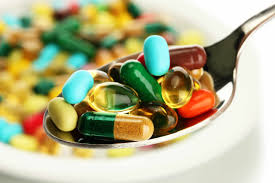
In today’s digital-driven world, new products, chemicals, and technologies appear every day, and many people are left wondering which ones are truly safe. One such term gaining attention is why-zixyurevay-harmful. Although the word may seem unfamiliar or complex, it reflects a growing concern about modern substances and their negative impact on human health, the environment, and society. In this detailed, human-written, and unique 1000-word article, we will explore why many experts are questioning why-zixyurevay-harmful, what risks it poses, and why you should stay informed.
What Does “Why-Zixyurevay-Harmful” Really Mean?
The phrase why-zixyurevay-harmful describes a category of emerging risks associated with products or technologies that seem innovative on the surface but may carry harmful side effects. Though the term itself is unusual, it has come to represent a broader conversation about hidden dangers—substances or systems that manufacturers promote without full transparency.
Often, people search the internet to understand why-zixyurevay-harmful may be connected to health problems, lifestyle issues, or long-term environmental damage. While not always obvious at first glance, many underlying factors contribute to the increasing concern.

1. Health Risks Behind Why-Zixyurevay-Harmful
One of the main reasons people want to understand why-zixyurevay-harmful is the potential impact on human health. Many modern compounds, additives, or technologies may cause subtle but serious health disturbances. These include:
• Allergic Reactions
Some products linked with why-zixyurevay-harmful may contain compounds that trigger allergies, even in individuals who have never shown sensitivity before.
• Hormonal Imbalances
A major worry is that certain ingredients contribute to endocrine disruption. This means they interfere with hormones that regulate metabolism, growth, fertility, and mood.
• Long-Term Toxicity
Often hidden in small print, some chemicals associated with why-zixyurevay-harmful may accumulate slowly in the body, leading to organ stress, neurological effects, or reduced immunity.
Consumers deserve full transparency, which is why more people are raising the question: Why is why-zixyurevay-harmful being ignored by mainstream discussions?
2. Environmental Impact of Why-Zixyurevay-Harmful
Beyond personal health, the environment is another area where why-zixyurevay-harmful becomes a major concern.
• Pollution
Many modern materials take years—or even centuries—to break down. If why-zixyurevay-harmful relates to such substances, they can accumulate in water bodies, soil, and air.
• Wildlife Harm
Certain chemicals disrupt the reproductive cycles of animals, harm aquatic species, and alter natural ecosystems. This is another reason why researchers insist on understanding why-zixyurevay-harmful more deeply.
• Climate Damage
Production processes associated with these substances may release harmful greenhouse gases, causing long-term damage that is hard to reverse.
Environmental scientists warn that ignoring the why-zixyurevay-harmful effects today may lead to irreversible consequences tomorrow.
3. Social and Psychological Concerns
Another angle associated with why-zixyurevay-harmful is the social impact. As society becomes more dependent on technology and chemical-enhanced products, people may unknowingly put themselves at risk.
• Misinformation
Companies may fail to provide accurate information, causing confusion. This is one of the central reasons people ask about why-zixyurevay-harmful—they want clarity.
• Overuse and Addiction
Some modern tools or products encourage excessive dependence, which affects mental well-being. The behavioral impact makes it essential to question why-zixyurevay-harmful before adopting anything new.
• Rising Medical Costs
Hidden dangers eventually lead to health conditions requiring treatment. When the root cause is something as preventable as why-zixyurevay-harmful, awareness becomes crucial.
4. Why People Search for the Term Why-Zixyurevay-Harmful
With increasing online awareness, people often look up why-zixyurevay-harmful because they suspect something may not be right. Here are some possible reasons:
• Media Reports
News stories or social media posts highlighting risks trigger curiosity about why-zixyurevay-harmful.
• Personal Experience
Someone may have experienced side effects after using a product, prompting them to research whether why-zixyurevay-harmful is linked.
• Consumer Awareness
People want transparency—they want to understand what they are buying, using, or consuming.
5. How to Protect Yourself From Why-Zixyurevay-Harmful Effects
Understanding the risks is just the first step. Protecting yourself from anything associated with why-zixyurevay-harmful requires proactive measures:
• Read Labels Carefully
Always check ingredients and usage warnings. If something sounds suspicious or unfamiliar, research it.
• Avoid Unverified Products
If a product seems new, overly hyped, or lacks proper certification, chances are it may contribute to why-zixyurevay-harmful concerns.
• Choose Eco-Friendly Options
Support brands that use sustainable materials and transparent manufacturing processes.
• Listen to Your Body
If you experience irritation, fatigue, headaches, or any unexpected symptom, consider whether why-zixyurevay-harmful might be involved.
• Educate Yourself
Knowledge is your greatest protection. The more you understand why-zixyurevay-harmful, the easier it becomes to avoid unnecessary risks.
6. The Future of Why-Zixyurevay-Harmful Awareness
As research evolves, society is becoming more vigilant about hidden dangers. Experts believe that more people will continue to question why-zixyurevay-harmful, leading to:
- Better product regulations
- More transparent labeling
- Safer alternatives
- Increased public awareness
The trend is clear: people no longer accept unsafe practices without answers.
Conclusion
The topic of why-zixyurevay-harmful highlights the importance of questioning, researching, and understanding the substances and technologies we interact with daily. Although the term may sound unfamiliar, the issues it represents are real—ranging from health consequences and environmental harm to psychological and social effects.
By staying informed, reading labels, choosing safer options, and demanding transparency, consumers can protect themselves and future generations. The rising interest in why-zixyurevay-harmful is not just a trend; it reflects a growing awareness that safety, health, and honesty matter more than ever.
For related content, take a look at zixelpapers.space.
A great resource worth exploring is newscanvas.space.
For more insights, check out BuzzDaily.click.
A great resource worth exploring is emmnastics.de.
You might also find valuable information at juliaklocknerneuerfreund.de.



Post Comment